.png)


The Difference Between Organizing a Space and Designing a System


A space can look organized and still ask too much of the people living in it.
Everything may be sorted, contained, labeled, and placed back neatly, but if the wrong things remain, if the most-used items are hard to reach, or if the categories do not reflect how life actually happens, the space will usually start to unravel again.
That is why editing matters. Not as a side step, and not as a push toward minimalism, but as the foundation for a better system. Before a space can be designed well, there has to be clarity around what belongs there, what deserves daily access, what can live elsewhere, and what no longer needs to be maintained at all.
A lasting system begins before the containers. It begins with understanding.
ORGANIZING EVERYTHING IS NOT THE SAME AS DESIGNING WHAT SHOULD REMAIN
When a space feels frustrating, the first instinct is often to organize what is already there. Buy the bins. Add the labels. Create categories. Make the shelves look calmer.
Sometimes that helps. But if the space is holding too much, holding the wrong mix of items, or holding things that no longer support the way a family lives, organizing alone only improves the surface.
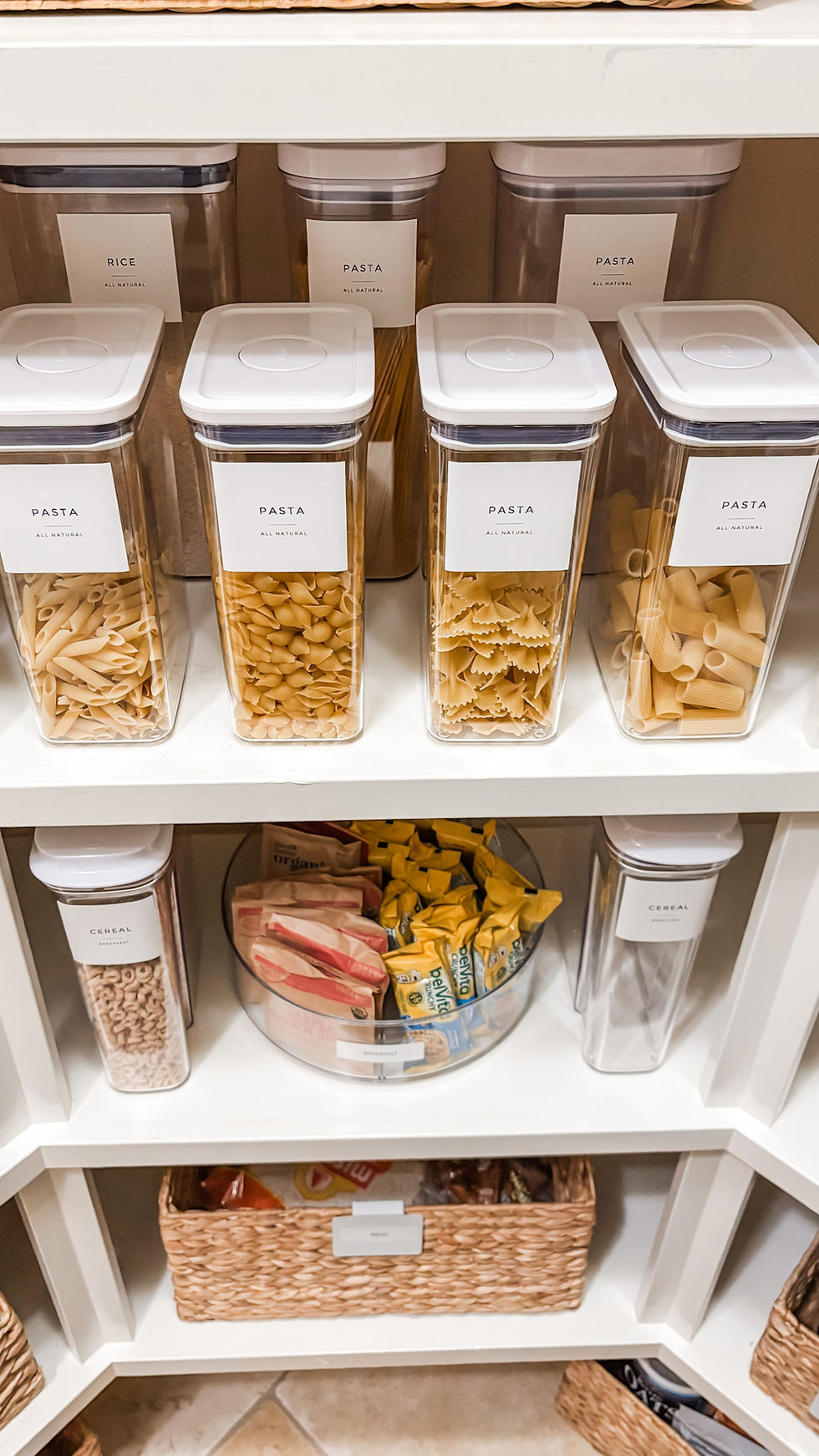
A pantry can be filled with beautiful containers and still make school lunches harder than they need to be. A closet can be arranged by color and still give prime space to clothing that is rarely worn. A family zone can look reset and still hold more toys, papers, bags, and household overflow than the family wants to manage every day.
The first question is not always, “How do we organize all of this?”
The better question is, “What actually belongs here?”
That shift matters because a home is not meant to hold everything equally. Some items need to be easy to reach. Some need to be stored but not accessed daily. Some belong in another part of the home. Some no longer need to take up space, attention, or maintenance at all.

EDITING GIVES A SYSTEM ITS LOGIC
Editing is often misunderstood as getting rid of things for the sake of having less. That is not the point.
Editing is decision-making.
It helps clarify what a family owns, uses, values, and is willing to maintain. It reveals duplicates, outdated routines, aspirational items, overbought categories, and belongings that have been living in a space simply because there was room for them.
This is where the system starts to make sense.
When everything is pulled out, categorized, and considered together, patterns become much easier to see. The extra pantry backstock. The clothes that are kept but never worn. The household products purchased again because the existing ones were hard to find. The items that made sense in one season of life but no longer support the way the home functions now.
That awareness is valuable long after the organizing session ends.
When people can see what they already own, they often begin to shop differently. They notice what they overbuy. They become more intentional about what comes back into the home. They start to understand that every item they keep or purchase eventually has to be stored, accessed, reset, and maintained.
That is not minimalism. It is simply the reality of living with belongings.
The less unnecessary inventory a home carries, the less the system has to absorb. And the more intentional the remaining belongings are, the stronger the system can become.
THE SYSTEM COMES AFTER THE CLARITY
Once the edit is complete and the categories are clear, the design decisions become much more thoughtful.
Product selection becomes more precise. Placement becomes more intentional. Categories begin to reflect real use, not just what fits on a shelf or inside a bin.
Without that clarity, product can only do so much. A bin can contain a category, but it cannot decide whether the category belongs there. A label can name what is inside, but it cannot make the system easier to maintain if the space is holding more than it should. A beautiful layout can create visual calm, but it will not last if it does not reflect how the family actually lives.
This is why thoughtful product selection comes after the system has a purpose. The product supports the structure. It should not be asked to create the structure on its own.
This same thinking matters during a move, remodel, or new build. The goal is not simply to transfer belongings into new storage or fill beautiful cabinetry with what already exists. The goal is to understand what should move forward, where it belongs, and how the home can support daily life from the beginning.
Beautiful storage does not automatically create a functional home. The function comes from the decisions underneath it.
A HOME IS EASIER TO MAINTAIN WHEN LESS IS WORKING AGAINST IT
A well-designed system does more than hold belongings. It reduces the amount of ongoing decision-making required to live with them.
When the right items remain, categories make more sense. Daily-use pieces are easier to reach. Backstock has a clear place. Occasional-use items are not competing with what is needed every morning. Spaces become easier to reset because the system is not fighting against too much inventory or unclear decisions.
That is the long-term difference.
A space that has only been organized may look finished for a moment. A system that has been thoughtfully designed has a better chance of supporting the family after the first busy week, after groceries come home, after laundry is done, after school bags land by the door, and after life resumes its normal rhythm.
The goal is not a home that feels sparse or overly controlled. The goal is a home where the belongings that remain have a place, a purpose, and a system that supports daily life.
The best organizing work is not just about creating order around what is there. It is about creating clarity around what belongs.

ABOUT SORT & SOUL
Sort & Soul provides professional home organizing and move management for families who want their homes to feel lighter, more functional, and aligned with how they live. Our work centers on thoughtful editing, intentional system design, and full-service support that helps homes function beautifully through everyday life and major transitions.


Comments